
Explore physiology through clear visual learning across all major systems, from fundamental principles to integrated body functions and adaptation.
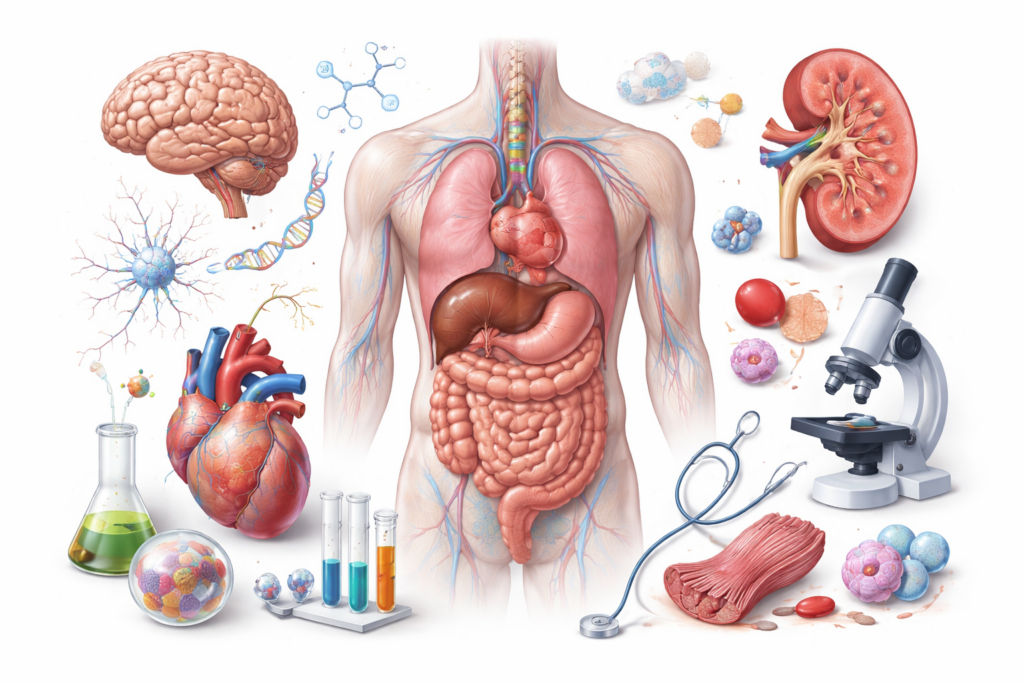
Module–1: General Physiology
Explore the fundamental principles of physiology, including cellular functions, membrane dynamics, genetics, body fluids, and the mechanisms that maintain homeostasis.
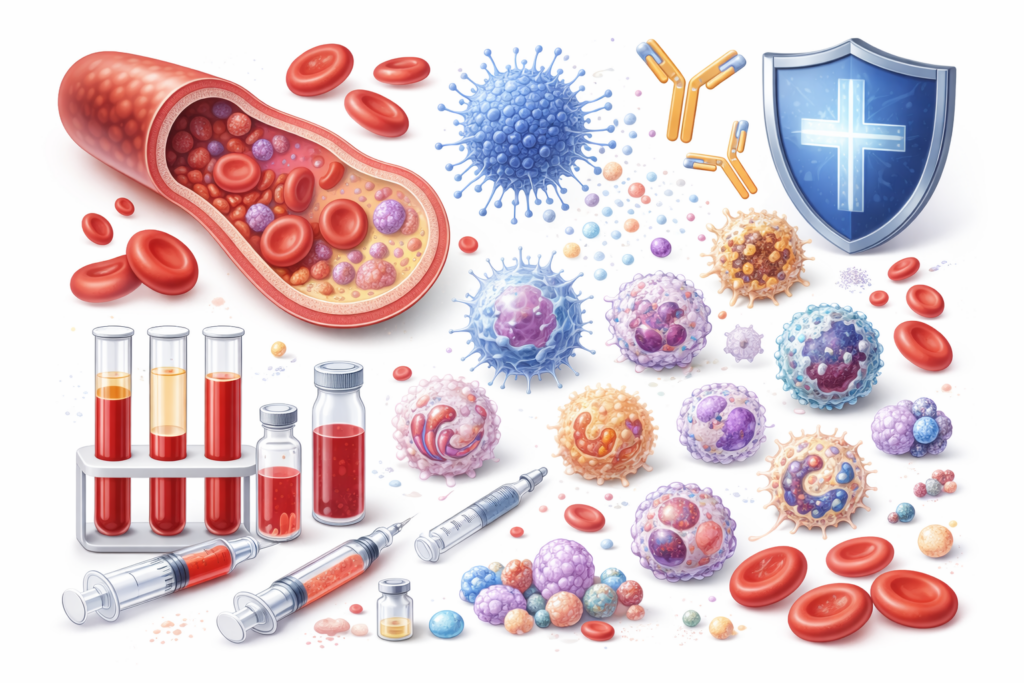
Module–2: Blood and Immunity
Understand the physiology of blood, hemopoiesis, immunity, hemostasis, and the protective mechanisms that maintain internal defense and circulation.
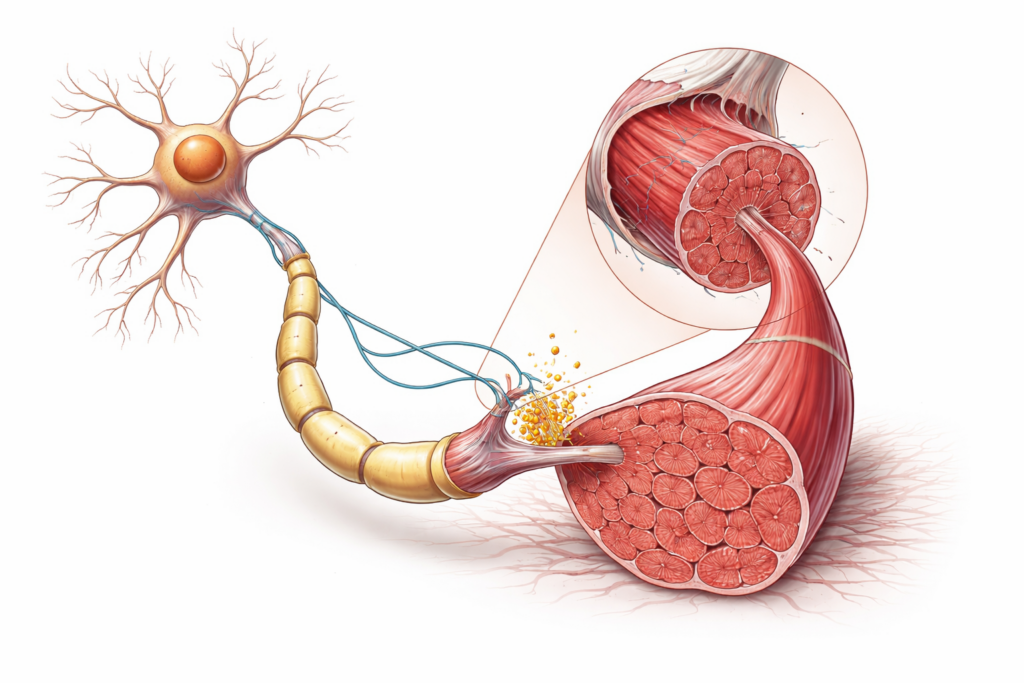
Module–3: Nerve and Muscle
Study the physiology of neurons, nerve conduction, neuromuscular transmission, and the mechanisms of contraction in skeletal, smooth, and cardiac muscles.
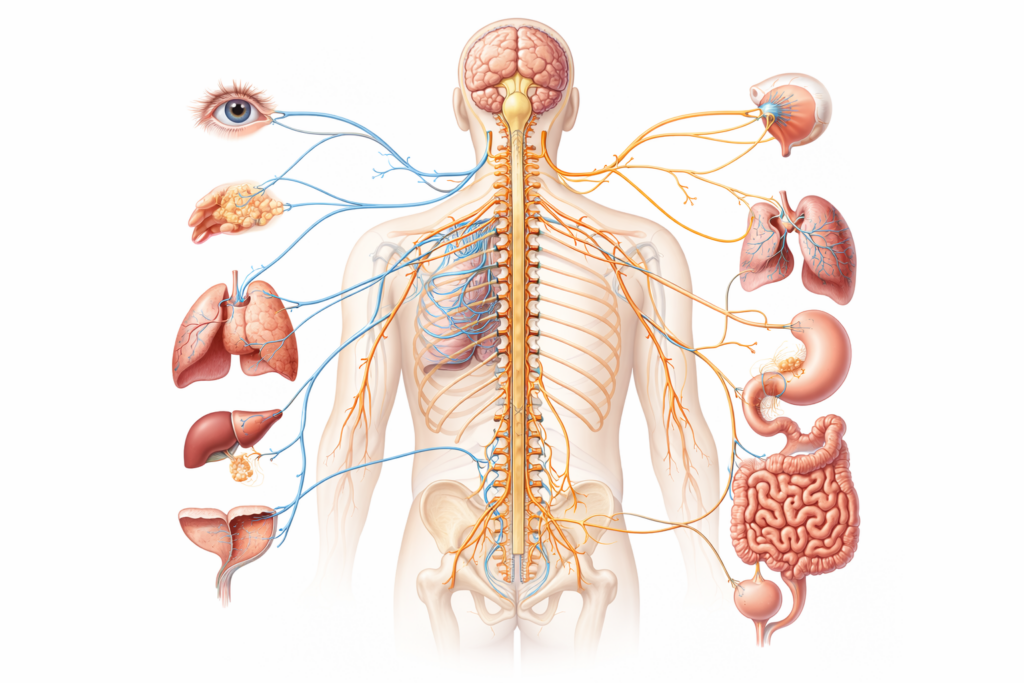
Module–4: Autonomic Nervous System
Examine the organization and functions of the sympathetic and parasympathetic systems that regulate involuntary activities of the body.
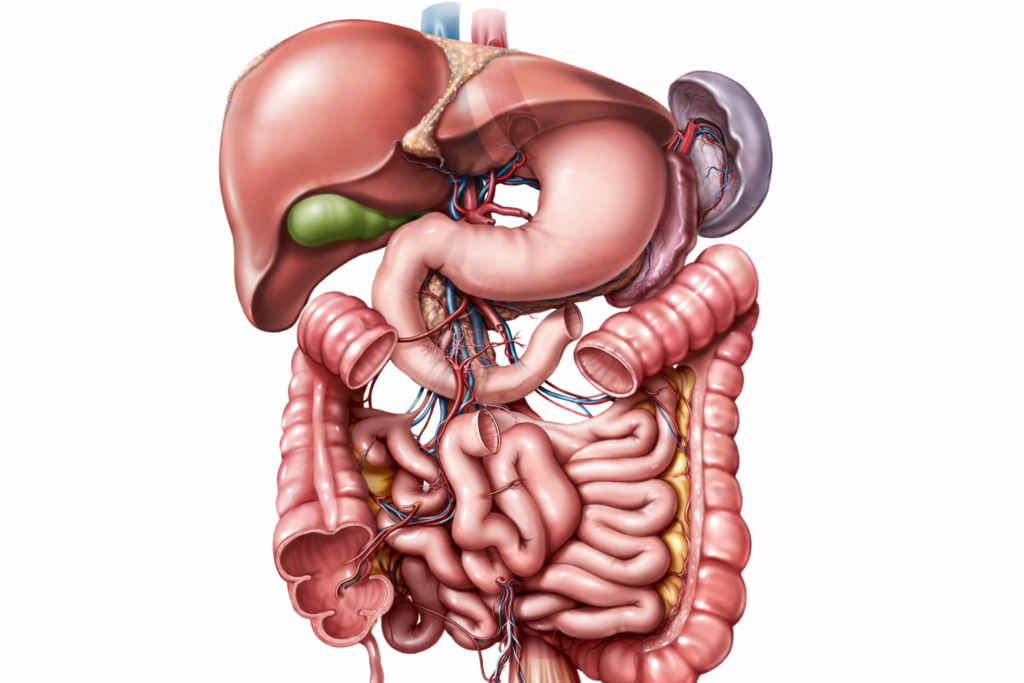
Module–5: Gastrointestinal System
Learn how the digestive system coordinates secretions, motility, digestion, and absorption to process nutrients and maintain metabolic balance.
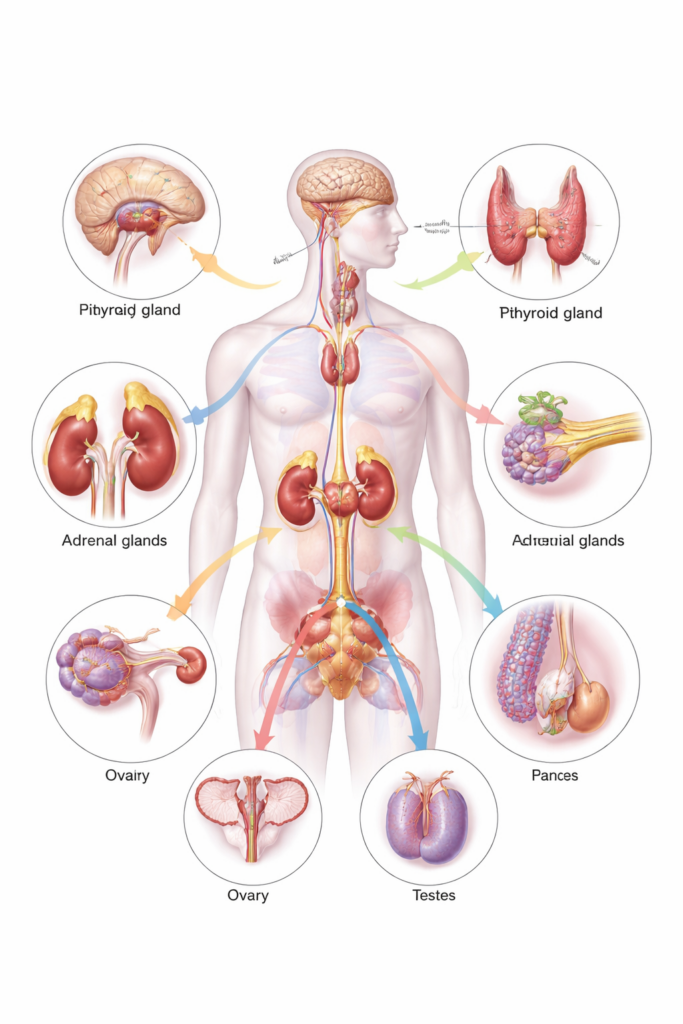
Module–6: Endocrine Physiology
Explore hormonal regulation of body functions through endocrine glands, including mechanisms of hormone action and metabolic control.
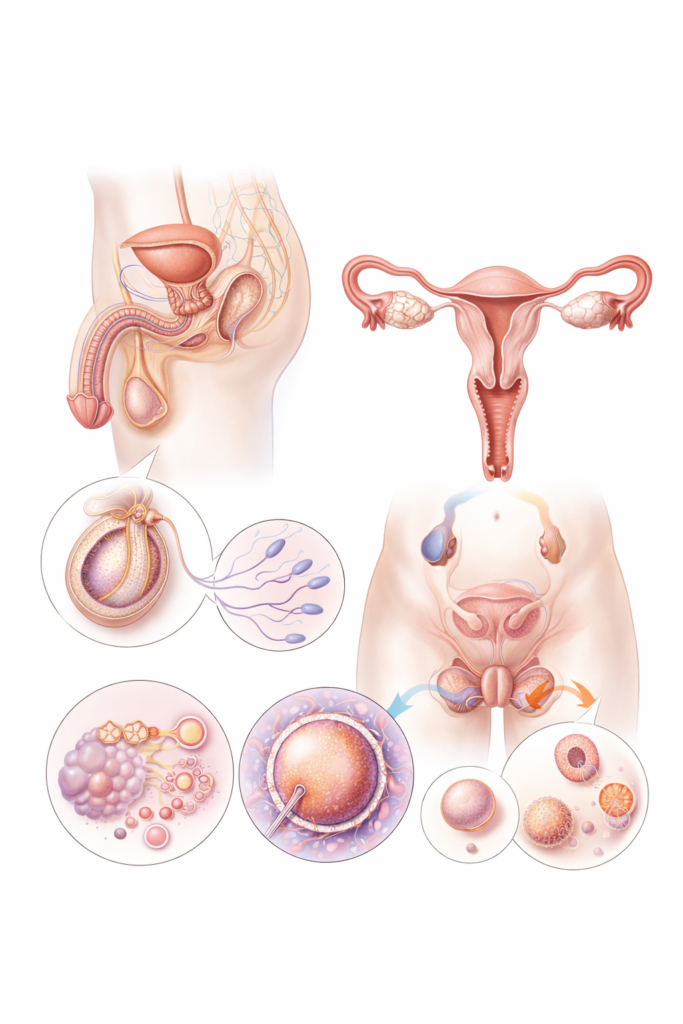
Module–7: Reproductive System
Understand the physiology of male and female reproduction, including sexual development, reproductive cycles, pregnancy, lactation, and contraception.
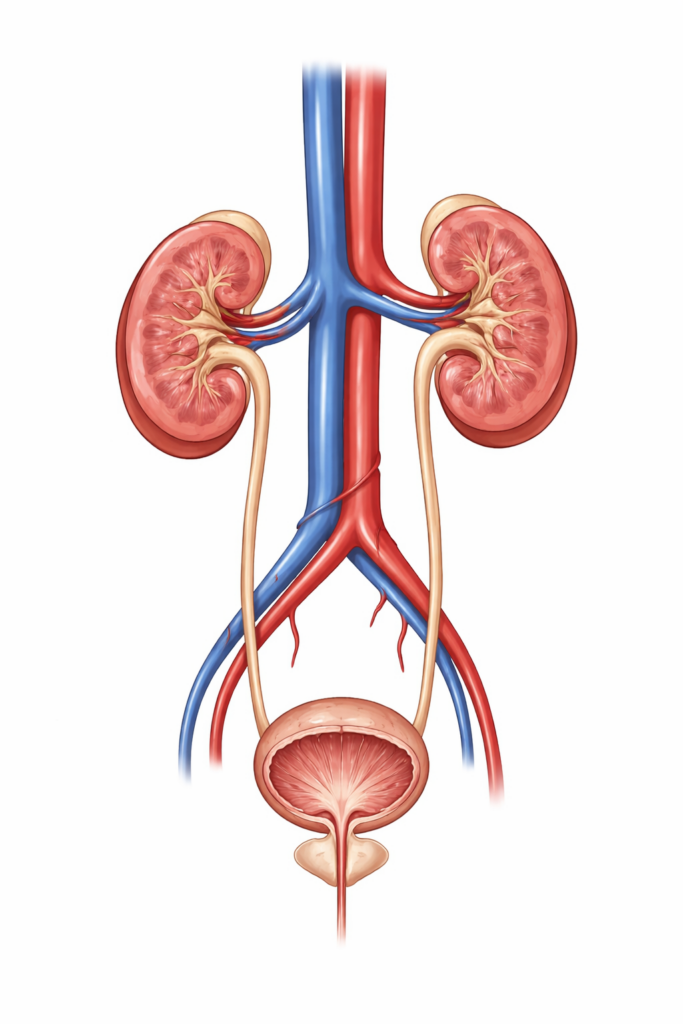
Module–8: Renal System
Discover how the kidneys regulate body fluid balance, electrolyte composition, acid–base status, and the formation and excretion of urine.
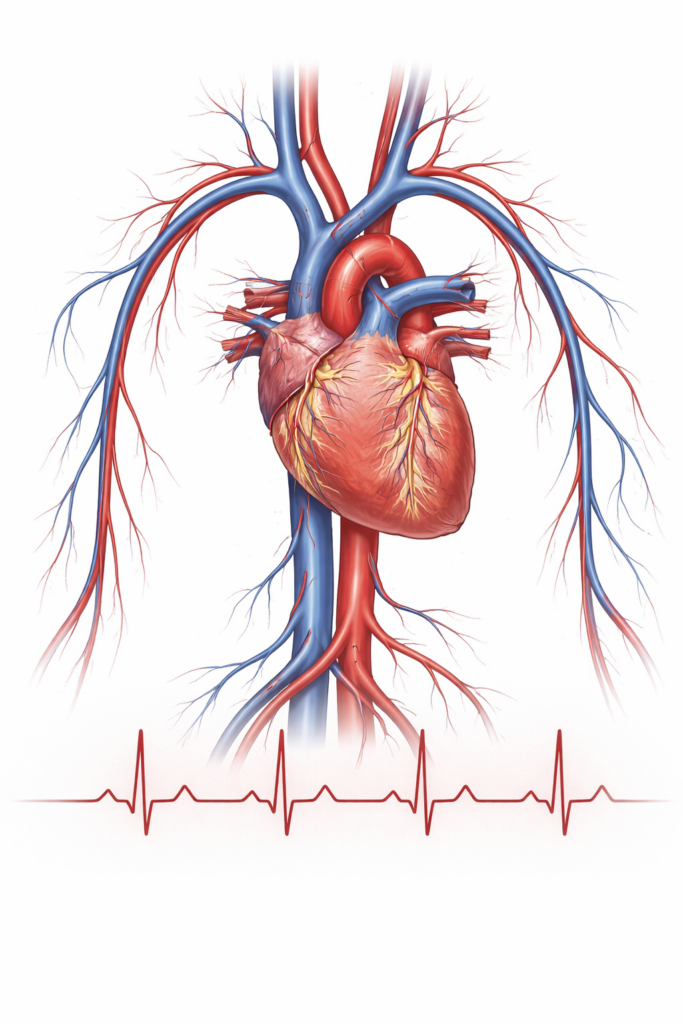
Module–9: Cardiovascular System
Explore hormonal regulation of body functions through endocrine glands, including mechanisms of hormone action and metabolic control.
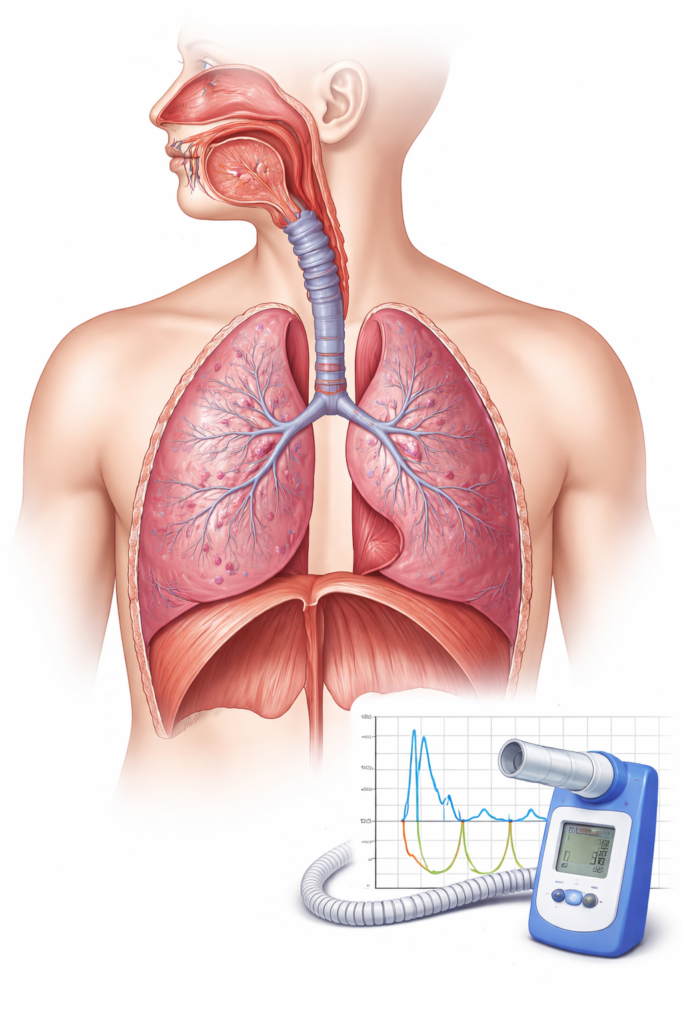
Module–10: Respiratory System
Explore the mechanisms of breathing, gas exchange, transport of respiratory gases, and the regulation of respiration under normal and extreme conditions.
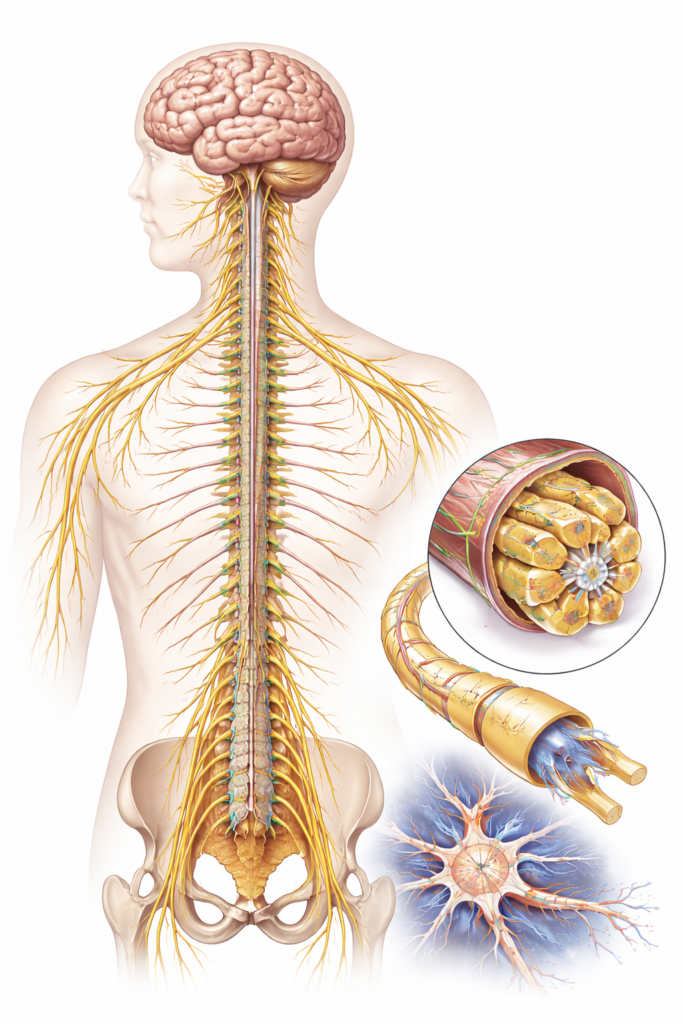
Module–11: Neurophysiology
Examine the complex functions of the central nervous system, including sensory processing, motor control, higher brain functions, and neural integration.
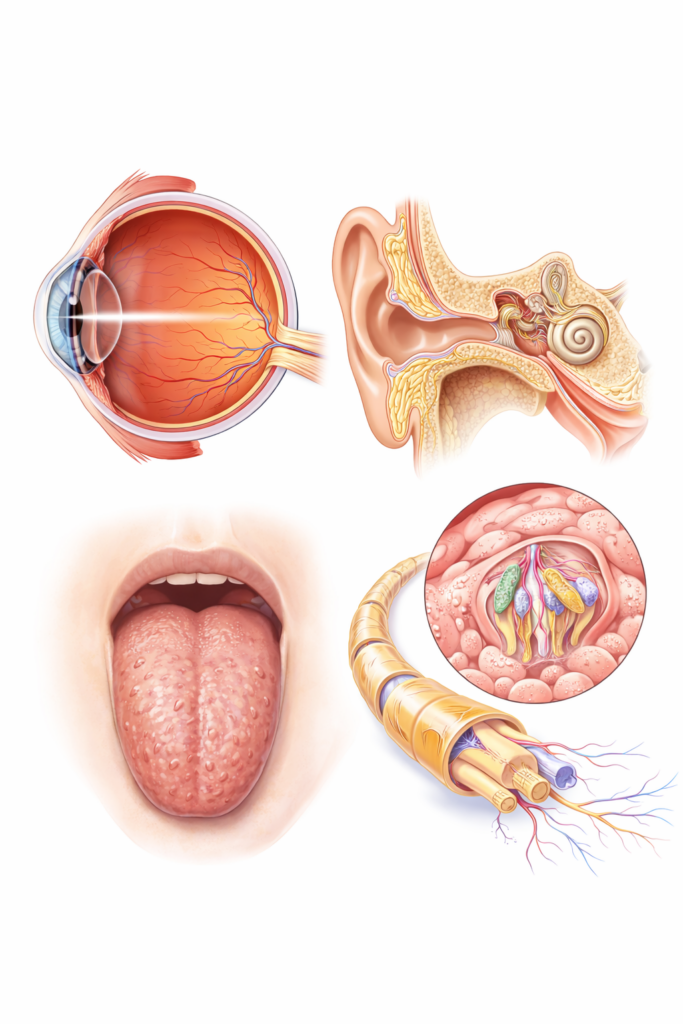
Module–12: Special Senses
Understand the physiology of vision, hearing, smell, and taste, and how sensory organs convert external stimuli into neural signals.
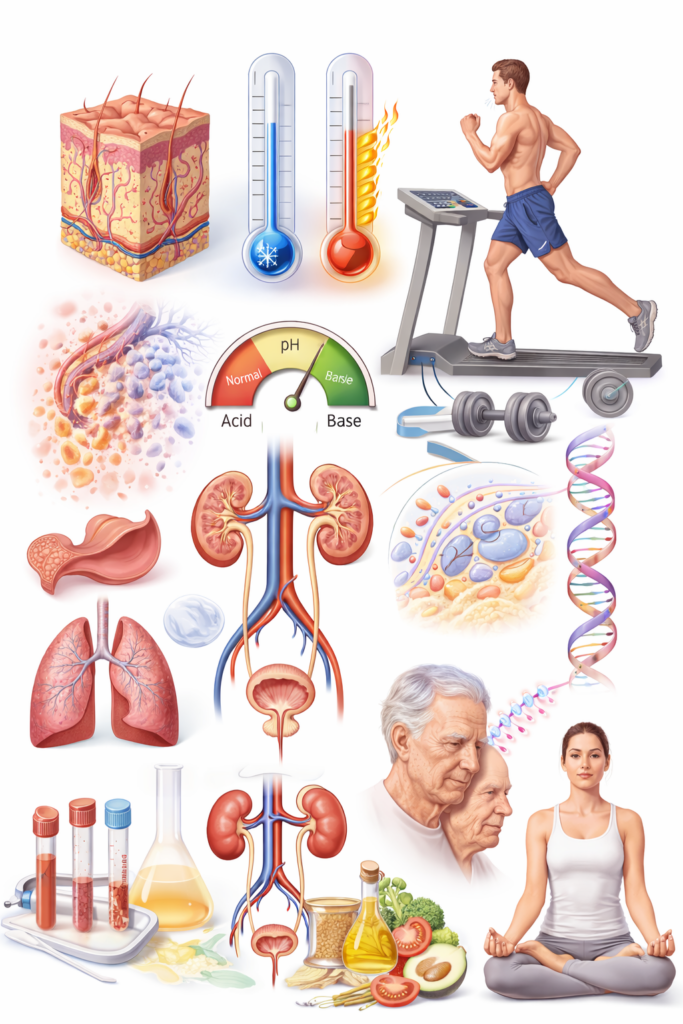
Module–13: Integrative Physiology
This section explains how body systems work together to maintain homeostasis, adapt to environmental and physiological stresses, and support growth, nutrition, exercise, aging, and overall health.